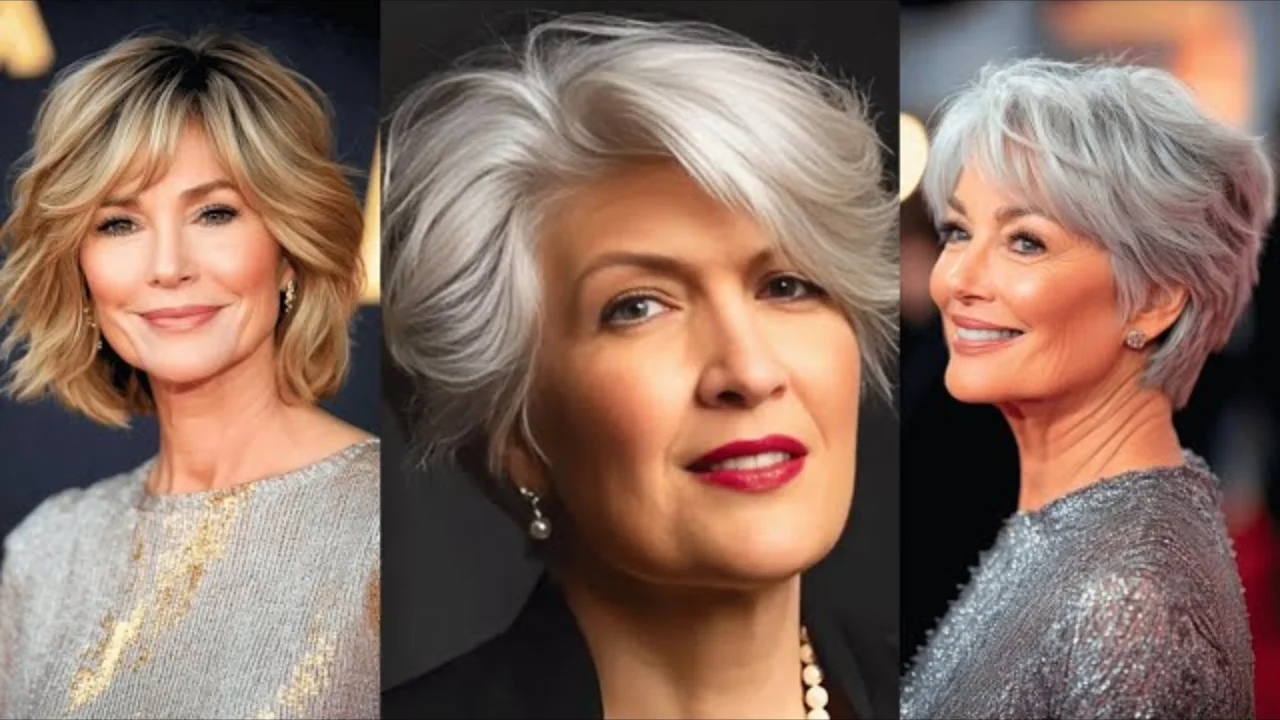
Best Hair Color for Fine Hair After 60: Best Hair Color for Fine Hair After 60 is a topic that many women start searching for the moment they notice their usual shade is no longer flattering. Best Hair Color for Fine Hair After 60 is not about chasing trends or copying celebrity looks. It is about understanding how fine, mature hair behaves and choosing shades that lift your features instead of making you look tired.
If you have fine hair and you are over 60, you already know that texture changes everything. Hair becomes softer, sometimes thinner, and more delicate. Skin tone shifts. Natural contrast fades. This guide breaks down the three hair colors that can unintentionally age the face, according to professional hairdressers, and explains what to choose instead for a fresher, brighter look in 2026.
Best Hair Color for Fine Hair After 60
When it comes to the Best Hair Color for Fine Hair After 60, harmony matters more than drama. Fine hair lies closer to the scalp, which means color appears more intense and less dimensional. If you go too dark, shadows on the face become deeper. If you go too light and flat, the skin can look washed out. The sweet spot is usually within two shades of your natural base, with added dimension through soft highlights or balayage. Modern color techniques in 2026 focus on gray blending, face framing brightness, and shine enhancement rather than full, opaque coverage. The right choice does not scream for attention. It quietly softens lines, brightens the eyes, and makes fine hair look fuller and healthier.
Overview Table
| Key Point | What It Means for You |
| Fine hair reflects less light | Needs dimension to avoid flat appearance |
| Very dark shades increase contrast | Can highlight wrinkles and under eye shadows |
| Flat platinum blonde removes depth | May wash out mature skin |
| Solid copper can turn brassy | Can emphasize redness in the face |
| Two tone rule works best | Stay within two shades of natural color |
| Micro highlights add volume | Creates illusion of thicker hair |
| Gray blending is trending in 2026 | Softer and lower maintenance option |
| Gloss treatments improve shine | Enhances softness without heavy pigment |
| Medium tones are most flattering | Balance between light and dark |
| Face framing light lifts features | Makes eyes and cheekbones stand out |
Why some colors drag the face down after 60
Fine hair naturally loses density with age. Dermatology reports from 2025 show that over 60 percent of women over 60 experience visible thinning at the crown and temples. When this texture meets a heavy, dark dye, the effect can be harsh.
The first common mistake is going too dark. Deep espresso brown or near black may have looked elegant at 40, but on fine hair at 60, it can create strong contrast against lighter skin. This contrast draws attention to fine lines, hollows, and uneven tone. Hair that is both thin and very dark can also reveal the scalp at the parting, which increases the appearance of aging.

Another issue is uniform color. When every strand is the same dense shade, there is no movement. Fine hair then looks flatter. Instead of adding depth, the color becomes like a heavy frame around the face. This is why many experts suggest avoiding ultra dark brunette if you are searching for the Best Hair Color for Fine Hair After 60.
The other two shades that secretly add years
The second trap is very light, icy blonde with no variation. Social media in 2026 still loves platinum tones, but fine mature hair does not always handle them well. When blonde is too cold and too even, it can drain warmth from the skin. The result is a pale, tired appearance.
Fine hair does not scatter light like thick hair. Without highlights or lowlights, extreme blonde becomes flat. Skin may look dull rather than radiant. A soft beige, creamy blonde, or champagne tone usually works better. These shades keep brightness while adding warmth and subtle contrast.
The third risky shade is solid copper red that leans orange. Red pigments fade quickly, especially on porous fine hair. After a few washes, what started as vibrant can shift to brassy. When copper becomes too orange, it can emphasize redness around the nose and cheeks.
If you are considering red as your Best Hair Color for Fine Hair After 60, choose rose gold, soft strawberry, or light auburn with dimension. These options feel lively without overpowering the face.

What to ask your hairdresser instead after 60
Finding the Best Hair Color for Fine Hair After 60 starts with the right conversation at the salon. Instead of asking for a drastic change, focus on light, softness, and balance.
Here are smart requests to make:
- Stay within two tones of your natural base
- Add micro highlights around the face
- Blend gray rather than covering it fully
- Use gloss to refresh shine between appointments
- Avoid very cold or very dark solid shades
Balayage is especially helpful for fine hair. A soft veil of lighter strands on the top layers creates movement. Keeping the underneath slightly deeper adds depth. This contrast gives the illusion of thickness without heavy color.
Many women over 60 believe they must color all their hair every visit. In reality, partial touch ups often look fresher. Focusing on the parting and hairline can brighten your face without building layers of pigment.
Letting your hair color evolve with you
The idea of the Best Hair Color for Fine Hair After 60 has changed in recent years. In 2026, the trend is moving away from hiding every gray strand. Instead, stylists talk about gray blending and soft transitions.

Salt and pepper shades with a beige gloss are becoming popular. Soft mocha brunettes lifted one or two shades lighter than in your forties are also trending. These colors respect the natural evolution of hair while keeping it polished.
Fine hair after 60 is not a problem to fix. It is a new texture to work with. When you choose a shade that matches your current skin tone and density, you look awake and balanced. That is the real goal of the Best Hair Color for Fine Hair After 60.
Key point
Detail
Value for the reader
Very dark, uniform brunette ages fine hair
Creates harsh contrast with lighter skin and accentuates shadows
Helps avoid shades that harden features and make the face look tired
Icy, flat blond and brassy copper are risky
Wash out the complexion or turn orange on porous, fine hair
Guides toward softer, more flattering blond and warm tones

Softer, nuanced tones rejuvenate
Balayage, micro highlights and two tone shifts blend gray naturally
Offers concrete options to lighten the face and add visual volume
FAQs
Which hair color ages fine hair the most after 60?
Solid very dark brunette or black tends to age the face the most because it increases contrast and highlights shadows.
Can blonde still be flattering after 60?
Yes, as long as you choose warm or neutral tones like beige or champagne with dimension instead of flat platinum.
Is red hair a mistake for mature fine hair?
Not necessarily. Avoid strong orange copper and choose softer rose gold or auburn with highlights.
How often should fine hair be colored after 60?
Every six to eight weeks works for most women. Focus on roots and face framing areas rather than full recoloring each time.
What is the most rejuvenating technique for fine hair?
Soft balayage or micro highlights around the face combined with a medium base shade usually creates the most lifting effect.